7 Red Flags That Mean It’s Time to Find a New Dentist
Choosing a dentist is an important decision that affects both your oral health and your overall experience during treatment. Most dental visits should feel professional, respectful, and focused on patient comfort. Dentists are trained not only in clinical procedures but also in professional ethics and patient care standards.
Unfortunately, not every patient has a positive experience at the dentist. When something feels wrong during an appointment, it is important to recognize the warning signs. Patients deserve to be treated with patience, professionalism, and clear communication.
Understanding what to look for can help you avoid a poor dental experience and find a provider who truly cares about your wellbeing.
7 Red Flags That Mean It’s Time to Find a New Dentist
1. Anger or impatience toward patients
Dentistry can be stressful at times, but professional dentists are expected to maintain composure and treat patients respectfully. If a dentist becomes visibly angry, impatient, or dismissive toward patients, that behavior is a serious red flag. Healthcare professionals should never make patients feel intimidated or uncomfortable during treatment.
2. Ignoring patient pain or discomfort
Dental procedures sometimes cause discomfort, but a responsible dentist will monitor patient comfort and respond appropriately. If a dentist dismisses concerns about pain or tells a patient to simply tolerate it, that behavior should not be ignored. Patient safety and comfort should always come first.
3. Failure to explain procedures clearly
Patients have the right to understand what is happening during their dental care. A professional dentist explains procedures, treatment options, and expected outcomes before beginning treatment. If a dentist refuses to answer questions or rushes through explanations, patients may feel uncertain about their care.
4. Pressure to accept treatment
Dentists should recommend treatment options and allow patients time to consider their choices. If a dentist pressures you to agree to procedures without explaining alternatives or costs, this can be a warning sign. Patients should always feel comfortable asking questions before making decisions about their health.
5. Disrespect toward staff
The way a dentist treats assistants, hygienists, and office staff can reveal a lot about the environment of the practice. Dental offices that operate professionally usually have a team atmosphere where everyone is treated respectfully. Frequent harsh behavior toward staff may indicate deeper problems within the practice.
6. Poor office organization or cleanliness
Cleanliness and organization are critical in any healthcare setting. Dental equipment must be sterilized properly and workspaces should be well maintained. If an office appears chaotic or unsanitary, patients should take that seriously.
7. A feeling that something simply is not right
Sometimes the biggest warning sign is intuition. If you consistently feel uncomfortable, rushed, or disrespected during dental visits, it may be time to explore other options. Trust and communication are essential parts of any healthcare relationship.
What Professional Dental Care Should Look Like
- Dentists are trained according to professional ethical standards that emphasize patient wellbeing and respect. Organizations such as the American Dental Association teach dentists to prioritize honesty, compassion, and clear communication.
- A professional dentist should demonstrate patience with patients, explain procedures clearly, and respond respectfully to questions or concerns. Good dental practices focus on helping patients feel comfortable and informed during every appointment.
Why Many Monroe Patients Trust Adam Brown DDS
While reading about dental red flags can help patients avoid negative experiences, it is equally important to recognize what a positive dental practice looks like.
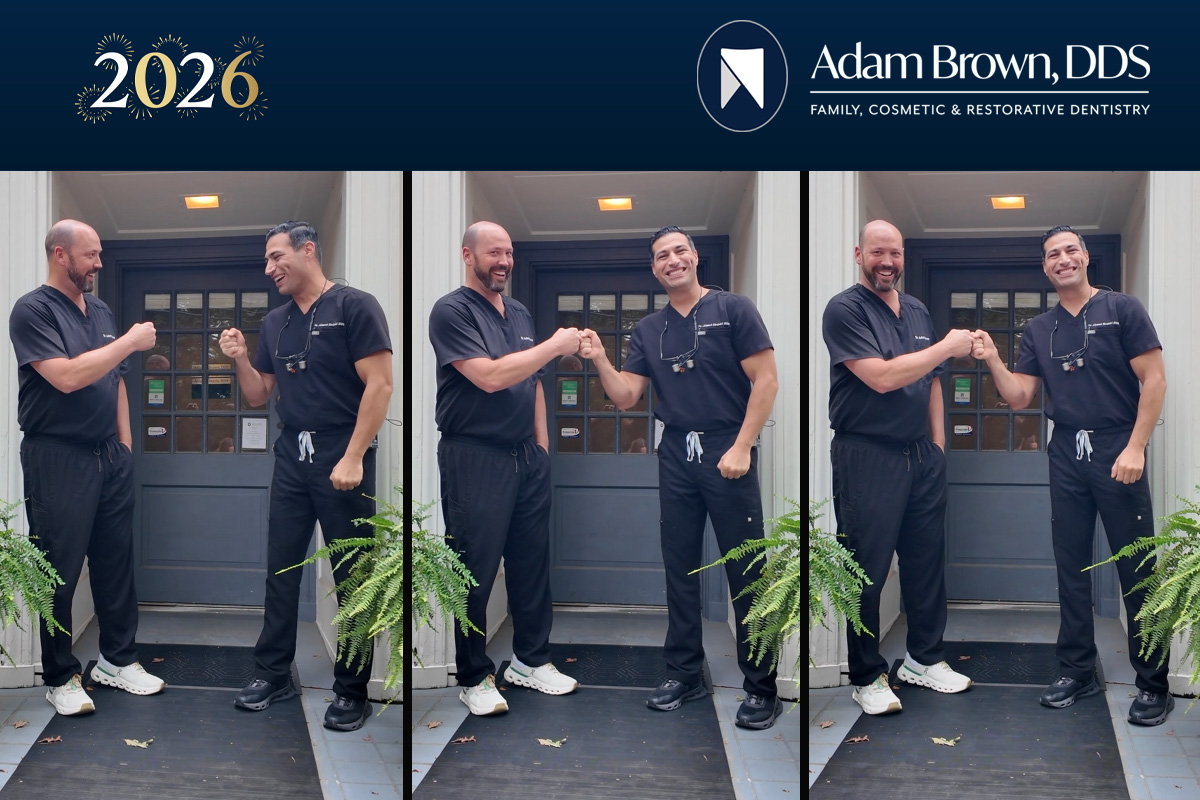
Patients throughout Monroe North Carolina often highlight the professionalism and welcoming environment at Adam Brown DDS. Reviews frequently mention friendly staff, respectful communication, and a comfortable office atmosphere.
Many patients say they immediately feel welcomed when they arrive at the practice. The team works to ensure patients understand their treatment and feel comfortable throughout the process.
Professional Care That Puts Patients First
Dr. Adam Brown has developed a reputation among patients for combining professional expertise with a calm and respectful approach to dental care. Patients often mention that procedures are explained clearly and that the staff takes time to answer questions. This type of communication helps patients feel confident about their dental treatment and reduces anxiety during appointments.
A Supportive and Friendly Dental Team
One of the most common themes in patient feedback is the friendliness of the dental team. From the front desk to the hygienists and assistants, patients often describe the staff as welcoming and attentive. A positive team environment can make a significant difference in how comfortable patients feel during their visits.
Comfortable Visits and Quality Care
Many patients say they appreciate the thorough cleanings and professional attention they receive during appointments. Preventative care plays an important role in maintaining healthy teeth and gums, and patients often mention how carefully the team performs routine dental cleanings. Patients who feel respected and cared for are much more likely to keep regular dental appointments and maintain good oral health.
Finding the Right Dentist for Your Family
Choosing a dentist is about more than convenience. Patients deserve professional treatment, honest communication, and an environment where they feel comfortable and respected. Understanding the warning signs of poor dental care can help you make better decisions about your health. At the same time, finding a dentist who consistently demonstrates professionalism and compassion can make dental visits far less stressful.
For many families in Monroe North Carolina, Adam Brown DDS continues to be a trusted choice for dependable dental care and a welcoming patient experience.