Finding an Experienced Dentist in Monroe, North Carolina

2020-07-16T16:55:10+00:00June 17th, 2019|Adam Brown DDS, Dental Crowns, Dental Insurance, Dental Trends, General, Oral Health, Teeth Whitening|

There are fewer things more stressful than finding a new health provider, much less finding an office and staff to trust you and your family’s smile with. Whether you’re searching for the right dentist to advise your oral health regimen, or are simply in the market for a new dentist, Carolina’s Dental Choice wants to equip you with the right knowledge to find an experienced dentist suited for your treatment needs.


Find an Experienced Dentist—Don’t Get Unnecessary Treatments

In need of a second opinion after getting a hefty price estimate for a procedure, you’re not sure you really need? Had a bad experience with a previous dentist and searching for a new practice to rebuild trust with? Waited so long for a dental visit that you’re just ready for a fresh start and motivation? No judgments and no worries! Finding an experienced dentist does not have to be an ordeal.

It is easy to get overwhelmed by your search for the right dentist. From Google searches, Yelp reviews, to scouring websites and seeking out word of mouth recommendations, there are many ways in which we try to find a great dentist. If you’ve moved recently or switched insurance companies, it can also be difficult to move on from a long-time dentist and find another that meets all of your expectations.

Where should you even start? We have laid out the most important considerations in your search for the right experienced dentist.
 

Question 1: What makes a good dental practice?

You have probably asked yourself this before. What makes a good dentist? Is it a staff of gentle hygienists? A dentist who spends time in the room with the patient? The cheapest treatment options around? Let’s discuss it!


Expectations should be met with every point of contact, including staff

Whether you are making your first call to inquire about services, scheduling an appointment, or entering the practice, the staff should be welcoming to patients. Practices that leave patients in the waiting room without greeting and without respect for patients’ time are red flags that the dental practice does not respect the time of their clients. A friendly, punctual staff ensures that the visit is great from start to finish.


Active listening

Between the hygienists and the dentist, you need a practice that listens to what you say. As the patient, you are the best advocate and knowledge base of your own health, and a good dental practice values that. By listening to your concerns and requests, and acting on what they hear, rather than talking over the patient or not spending and giving the time to the patient to speak their concerns, the patient will collaborate with the dental practice to ensure they are receiving the best treatment options.


Attempts to know the patient

In a larger practice, we do not expect our dentists to know the patient’s entire history, but no patient wants to feel like another file on the shelf. A dentist taking the time to know you can affect the level of care that the patient gets. Whether that’s making friendly conversation or taking a few minutes to read your chart, attempting to know the patient can make all the difference in your dental care.


Question 2: What are the warning signs of a bad dentist?

Fraudulent dentists certainly are not the norm, but more often than you would think, dishonest practices have impacted patients in their long-term trust in dentistry and their own oral health. The wrong dentist is more concerned with his pocketbook rather than the overall health of your mouth, meaning he may recommend and perform unnecessary treatments. Procedures that aren’t necessary can wreak havoc on your mouth and lead to further problems down the road.


Signs of Fraudulent Practice

  1. Urgency without explanation:

If your dentist identifies an issue that is not a dental emergency and tells you a procedure needs to be done immediately, you should start by asking why and for full disclosure on the procedure itself. If you are in a new dentist’s chair for a regular cleaning and suddenly you’re bombarded with procedures of a type you’ve never needed before, or that you did not enter the practice asking for help with, then it may be a red flag. When the dentist is vague on the reasoning for procedures, he may be pressuring you into going forward without understanding all of your options.

  1. If it sounds too good to be true, then it probably is:

Some dentists offer very discounted, or even free cleanings as a way to get patients in the door. Once in the chair, they may either hit you with fees that were never mentioned as part of the deal or as mentioned before, pressure you into procedures with intensity.

  1. Lack of Patient Education:

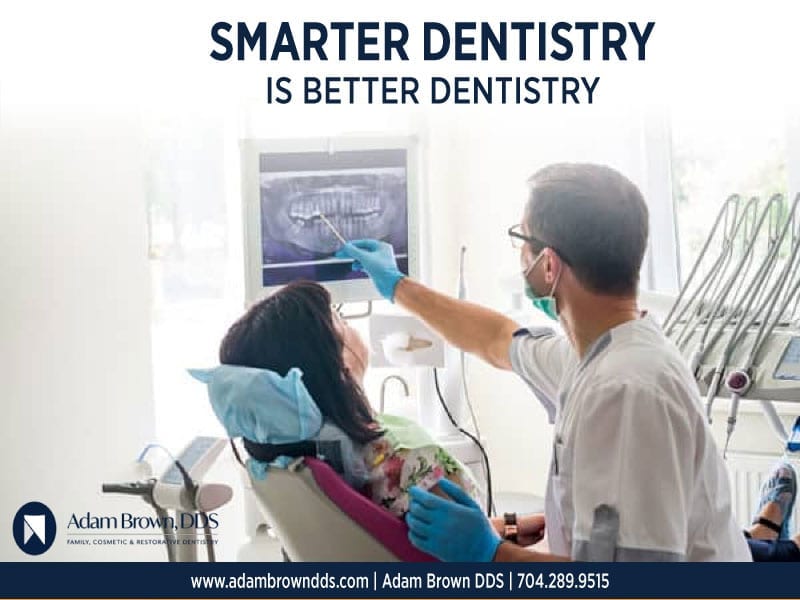
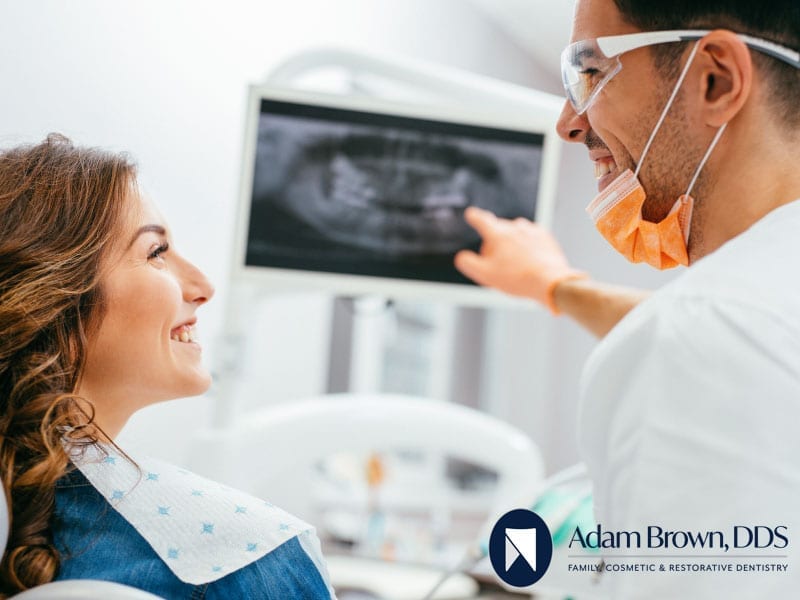
As we mentioned before, the sign of a great dentist is one who educates patients and ensures that decisions are made collectively between the patient and dentist. It is not good practice when dentists and hygienists are not willing to take time and explain the dental issues and recommended procedures to the patient. Even the act of not showing patients their x-rays can be a red flag. Your dentist should take the time to discuss what is shown in your x-rays, point out any lesions or unhealthy teeth, and talk through the treatment plan with the findings.


Question 3: How does dentistry become susceptible to fraud, and how can I determine if I am part of fraudulent dentistry?

We know that for the majority of dentists out there, it took years of hard work and building trust among their patients to make a successful dental practice. But, as in any profession, there are a small number of professionals out there who turn to taking shortcuts for financial gain. For the medical profession in general, medical diagnoses can be subjective. Because of this, we have a number of suggestions to improve patient advocacy.


Understand how your insurance works with the dental practice.

Beyond having a sense of your general dental coverage, you may not know how the dental practices interact before and after your dental visit. After scheduling your appointment, the staff at the dental practice will reach out to your dental insurance company to find out everything that is covered under your provider. So before you even enter the office, the experienced dentist will know everything that can be billed to you during your dental visit. Unfortunately, this can leave the patient vulnerable to receiving treatments that are more likely to be reimbursed by the insurance company, rather than what’s truly right for the teeth.


For example, a dentist may be choosing between a filling and a root canal for a patient. Taking the path with the root canal and crown is more lucrative for the dental practice. This is because it is common knowledge that root canals are easier to pass through an insurance company than a filling, and by receiving a root canal, you’re automatically approved for a crown. Root canals are easier to pass simply because the dentist can justify the root canal by claiming that the patient was in pain. The problem here is that the dentist may have just been able to perform a filling, which is a cheaper procedure and less invasive for the patient.


Now that there are some ways of identifying fraud, let’s talk about active ways to prevent getting in those situations in the first place.


  1. Choose your dentist based on referrals

Your insurance company may be telling you which dentists to see, but take time to do your own research. Seek out others with the same insurance and ask for a recommendation. Or, if you have a current dentist in the same area but you have switched insurance policies, ask your dentist for a recommendation, or ask for a recommendation from a local dentist society or health professional. Just because the insurance company covers a dentist does not make it a suitable referral. Plus, seeking out opinions from family, friends, and co-workers can give recommendations backed by real experiences.

  1. Consider going family-owned rather than corporate

Chain-dentistry practices drive patients through the door with heavy advertising and discounts, quick cleanings, free exams, and of course, hundreds or thousands of dollars in unnecessary dental work. Corporate dental chains can run on a quota-based model that can sometimes lead to practices working on the side of pushing unnecessary treatments.

  1. Ask for the appointment time

Generally, a new patient appointment should take around an hour and a half. If the office tells you that appointment should only last about a half hour, they may be trying to rush you through what should be a thorough cleaning and appointment, rather than give you the time you deserve as a patient. If you’re an established patient, appointment time can vary, but a cleaning should take at least 45 minutes. If it lasts only 15 minutes, it’s time to start asking questions.

  1. Always check your bill

In a true dental scam, a dentist might inflate claims or bill insurers for procedures that the patient didn’t receive. The best way to avoid this from happening is to ensure communication with your dentist, ask for an estimated price upfront (prior to sitting in the dental chair), and always checking your bill at checkout. According to the National Health Care Anti-Fraud Association, it is estimated that Americans lose about $68 billion dollars each year to healthcare fraud. Don’t be a victim of dental fraud; know the signs and do not be afraid to advocate for yourself as a patient.

  1. Check the market rate for common procedures.

There are common procedures you have had before that you know the price for, but when dental pain strikes, sometimes you are willing to pay anything for it to get fixed. It’s at these times when it is most important to ensure that you are being offered a fair, market-rate price, and not just being offered the most expensive procedure that your insurance may or may not cover.

  1. Seek other opinions.

If you have ever had a major dental procedure, it is likely that you might have sought out another opinion. One dentist may recommend that you need it, while another may not. This is totally normal, and encouraged, especially if you feel that any of the signs above are occurring.

  1. Feel out the culture of the office.

While how you feel as a patient is important, seeing how the experienced dentist treats the staff can also impact the care you receive. The best doctors are attentive to patients and staff. If you have a bad feeling with your interaction from the front desk to the dental chair, how can you trust your oral health to the practice? You should feel safe and welcome at the dentist from the moment you walk in the door. 


Find a dental provider who’s right for you and your family

Carolina’s Dental Choice is here to make you feel right at home, whether you’re new to the area or a longtime resident. Give us a call today if you’re in need of a welcoming, friendly face in the dental practice world at 704-289-9519.
 

Comments Off on Finding an Experienced Dentist in Monroe, North Carolina

The Hidden Dangers of Mouthwash: What You Need to Know

2021-02-05T18:11:46+00:00June 5th, 2019|Dental Trends, Dentist Office Monroe NC, Oral Health, Teeth Cleaning, Teeth Whitening|

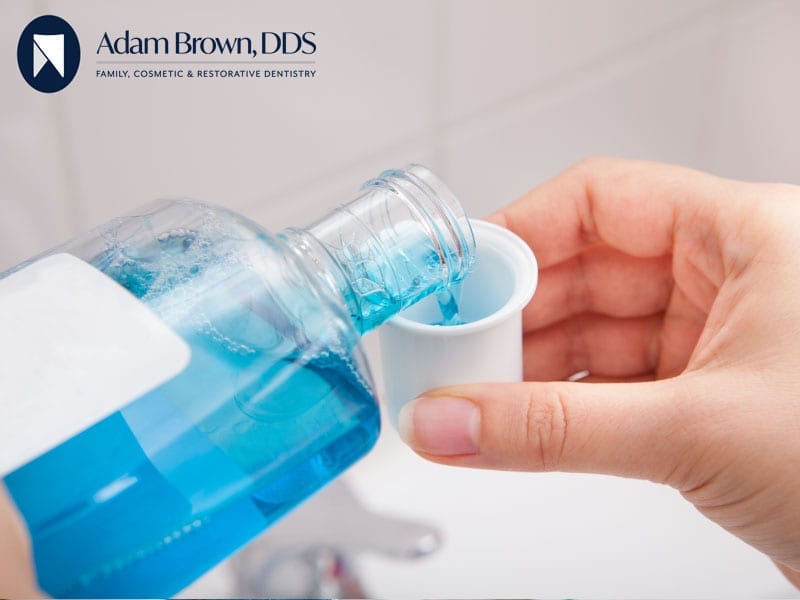
Mouthwash is often touted as a safe and effective method for curing bad breath and improving overall oral health. But recent studies show that not all mouthwashes are created equal. Before you add a mouthwash to your daily dental regimen, take a minute to understand some of the potential dangers that might be hiding in that morning and evening routine.


The Problems with Conventional Mouthwash

While advertising may state that conventional mouthwash kills 99.9% of all bacteria, that’s not always the full dental story. Many conventional types of mouthwash contain up to a 26% alcohol content in addition to other dangerous ingredients. When you swish mouthwash twice a day in your mouth for an extended period of time, a number of things occur.

  1. Alcohol destroys the friendly bacteria your body needs to maintain normal blood pressure and positive oral health. Think of it like an antibiotic for your mouth. It doesn’t distinguish between good and bad oral bacteria, it simply kills it all.
  2. Conventional mouthwash dries out your mouth and affects saliva production. This can actually result in worsened breath over time in addition to increased cavity production because saliva acts as a natural barrier for both of these dental conditions.
  3. Recent studies have shown that using conventional mouthwash may potentially lead to high blood pressure issues because of disruption with the body’s production of NO (Nitric Oxide), a molecule inside the body that helps to regulate blood pressure.

A sample of ingredients that are the biggest culprits for these dental issues include alcohol (associated with drying your mouth and killing bacteria), Chlorine Dioxide (used as a bleaching agent to whiten teeth), Chlorhexidine (an antiseptic that is also an allergen), and formaldehyde (dangers include cancer risk and respiratory problems).


Discovering Natural Mouthwash Alternatives

There are several natural mouthwash alternatives available over the counter that provide a safer option for those that want to maintain their daily swishing regimen. A few choices are listed below.

  1. The Natural Dentist
    This mouthwash can be found at most major retailers and is tailored towards those with sensitive teeth and gums. The ingredients are all natural and contain 20% Aloe Vera which is a natural antiseptic that replaces conventional use of Chlorhexidine without the side effects.
  2. Therabreath
    This mouthwash is also available at most major retailers and helps increase saliva production instead of drying out your mouth. It also uses natural ingredients including aloe vera and tea tree oil which is another natural antiseptic used to aid in overall oral health.
  3. Oral Essentials
    Created by dentists and thoroughly tested, this mouthwash contains sea salt to help maintain the healthy mineral balance in your mouth. In addition, you’ll find such natural ingredients as aloe vera, coconut oil (a natural teeth whitener), and essential oils (aids in freshening breath). This mouthwash can be found on Amazon in addition to other online retailers.


Do-It-Yourself Mouthwash? Why not!

A quick search on the internet for do-it-yourself mouthwash will yield plenty of recipes for you to experiment with. When wading through the never-ending list of oral options, keep a few essential ingredients in mind. 

  1. Aloe Vera
    As mentioned above, Aloe Vera is a top-notch replacement for the conventional mouthwash ingredient, Chlorhexidine. Studies have shown that it is equally as effective as an antiseptic but without all the harmful side effects.
  2. Essential Oils
    Essential Oils are a natural way to freshen breath without the drying effect of alcohol. They also contain antibacterial properties and oils such as lemon contain whitening properties to help keep your teeth shiny and bright.
  3. Sea Salt and Baking Soda
    Both these ingredients have strong benefits for oral health. Used as mouthwash ingredients, sea salt will help to restore the mineral balance of your mouth while baking soda will help to ease gingivitis and whiten teeth.


Final Thoughts on Mouthwash

Studies show that conventional mouthwashes are not as effective or as safe as typically advertised. They can contribute to dry mouth, mess with the balance of bacteria in your mouth and even cause increased gingivitis and cavity formation. The best way to keep your dental health in tip-top shape is to work on the problem from the inside out. Keep a balanced diet and stay away from processed foods and sugars. If you still want to make mouthwash a regular part of your dental routine, stick with all natural brands or create your own recipe so that you are in control of the ingredients going into your mouth and body.  For more information, please contact Carolina’s Dental Choice.


Comments Off on The Hidden Dangers of Mouthwash: What You Need to Know

Is Sparkling Water Bad for Your Teeth?

2020-07-16T16:55:40+00:00May 20th, 2019|Dentist Office Monroe NC, General, Oral Health|

There has been a lot of buzz lately about sparkling water, with many people touting it as an alternative to regular or diet sodas. Also, with the many flavorings out there now, sparkling and seltzer waters have become far more attractive as a choice for a soft drink. In fact, sales of sparkling water have doubled since 2011. That said, some have questioned whether sparkling water is bad for your teeth and, if so, how?

It is important to understand the impact of the trend in sparkling water consumption and its impact on your teeth. We want to delve into this controversy, clear up some misconceptions, and give you a few pointers so you can continue to take care of your oral health.

Firstly, it is important to understand that carbonated water has CO2 in it, which gives the bubbly effervescence to carbonated water. But when you drink the fizzy carbonated water, a chemical reaction transpires in your mouth, which turns the Co2 into carbonic acid. But know this: this is a relatively weak acid on its own, so unless you choose sparkling or seltzer waters flavored with citrus (and thus a more acidic sparkling water), the acidic levels are quite low.

In 2016 the Journal of the American Dental Association (JADA) released a study of the acidity of various beverages. As a baseline, spring water was used (it has a neutral acidity level of pH 7.4) to assess the acidity of sparkling waters. Sparkling water was found to have an average of pH 5 or 5.5 (for example, Perrier is 5.5), making them definitely acidic in nature. The ADA concluded that, on the whole, sparkling water exceeds the acidity of regular tap or spring water. Thus, our attitudes toward sparkling water need to be adjusted slightly, for sparkling water is not the same as any old, regular water.

However, the ADA has not found conclusive evidence of any kind that suggests drinking sparkling water is harmful to your tooth enamel. In fact, the acidity level of coffee is far higher, and thus worse, for your teeth than is sparkling water. Compare coffee’s pH level of up to 6 (depending on the coffee), in contrast to sparkling water’s pH 5 level, and you can see that coffee is a bigger culprit in tooth enamel’s loss.


Helpful Strategies

  1. Don’t sip sparkling waters throughout the day, like you would spring or tap water. Rather, drink them in one sitting (in a short span of time), in order to decrease the length of exposure of your tooth enamel to the acidity levels.
  2. If you have dry mouth, which is decreased salivation production due to other illnesses like diabetes, it is best to avoid acidic drinks of any kind.
  3. Brush your teeth after consuming these drinks (and coffee, too, for that matter!). So many of us tend to think we should only brush after eating, forgetting that sugary or acidic elements in drinks we imbibe can be just as harmful to our oral health. So, carry a small toothbrush and toothpaste tube with you to take on the go, and brush after both eating and drinking anything (other than plain water).
  4. Use a mouthwash twice a day, morning and evening. If you are a real enthusiast, you can certainly take a swish-and-spit moment after lunch, following a good tooth brushing. Mouthwash can clear away bacteria and harmful sugars from your teeth. Remember, acidity breaks down tooth enamel and then it is the bacteria, feeding on sugar in your mouth, that creates the problem. Mouthwash can eliminate the bacteria and wash away the sugar—this will preserve your tooth enamel as well.

On the whole, choosing seltzers and sparkling waters is a far better choice for your teeth than drinking regular or diet sodas. The pH levels of most seltzers and sparkling waters are better for your teeth than the average soda. However, from a basic health standpoint (which will always be the best choice for your teeth), drink eight glasses of tap or spring water a day. Plain, pH neutral water is the best choice for your health at every level. And, if you are apt to drink seltzers or sparkling waters, a single swig of plain water after you finish the can, with a bit of a swish of that plain water about your mouth, can help to wash away some of the acidic build-up.


Have more questions? Talk to your oral hygienist or one of our dentists at Carolinas Dental Choice.

Comments Off on Is Sparkling Water Bad for Your Teeth?

Radiography: An Essential Part of Carolina’s Dental Choice

2020-07-16T16:56:30+00:00April 24th, 2019|Dental Trends, Oral Health|

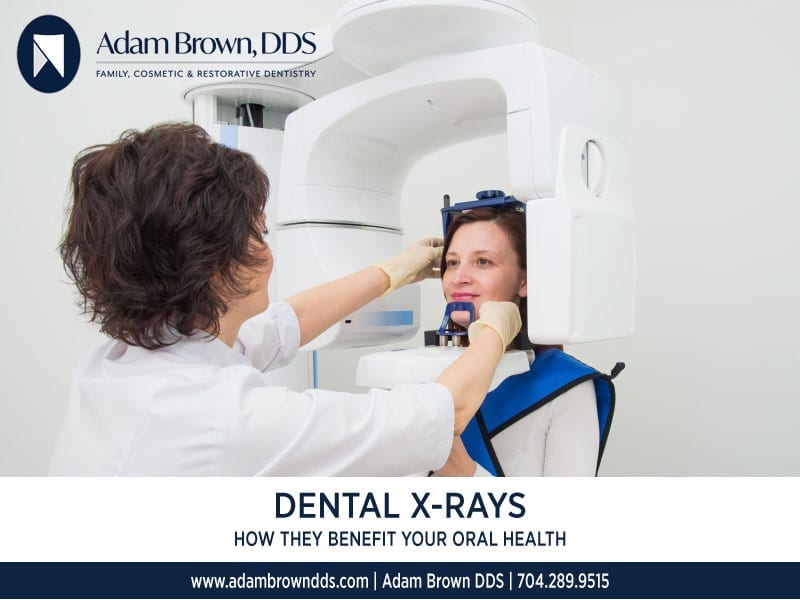
If you have been to the dentist, you have probably had x-rays taken of your mouth. While annoying, and sometimes painful, these x-rays are an essential part of any dental-care plan. Despite their significance, some dentists do not offer radiography to their patients. At Carolina’s Dental Choice, we see the value in these x-rays and believe that they largely contribute to positive dental health.

The x-rays used for dentistry are known as radiographs. There are two kinds of radiographs: the extraoral, an x-ray is taken outside of the mouth; and the intraoral, which is an x-ray taken from within the patient’s mouth. Intraoral radiographs are the one most commonly seen in dentistry and the one you might easily recognize from your last dentist appointment. The intraoral radiograph has become such a prominent part of dentistry because of the high level of detail that the x-ray provides, which can show the tooth, bone, and supporting tissues in a patient’s mouth.

Not only does the radiograph allow a dentist to see what is visible in a patient’s mouth, but it also allows him to see hidden dental structures, malignant and/or benign masses, signs of bone loss and/or wearing, and cavities, all of which might not be visible to the human eye but are detrimental to an individual’s dental health.

How It Works

Now that you know how important a radiograph can be to your dental health, you are probably wondering how they actually work. Surprisingly enough, they are actually quite simple. When your dentist asks you to put a film or sensor in your mouth, which is usually the most uncomfortable part of any radiograph, he is creating a base that is crucial to the image being taken. For a radiographic image to form, the radiation from the x-ray machine has to bounce off of the film or sensor and into your mouth. Different oral structures are penetrated by the radiation at different levels, which means they reflect different images on the film. For example, 

teeth appear lighter because they are dense and do not allow for as much radiation to penetrate them. Dental caries (cavities), tooth decay, infections, periodontal ligaments, and alterations in bone density will typically appear darker on a radiograph since they are less dense as other dental structures. Based on the amount of radiation that is allowed to reflect on the film, an image is created that allows your dentist to see everything that is not visible to the naked eye, and then assess the best way to maintain your dental health.

At Carolina’s Dental Choice, our dentists see the value in a basic radiograph, like the ones previously discussed; but we do not stop there. Along with traditional radiographs, our office also offers three-dimensional (3D) imaging services. Our 3D digital device combines three different types of data with one x-ray unity; this cool tool is known as the Planmeca 3D imaging device. Proper use of this helps to accurately diagnose our patients since we understand that not all damage and disease is visible during a routine dental examination.

The Planmeca 3D imaging device is one of the newest innovations in radiography procedures. Instead of using standard x-ray film, the 3D images are digitally produced on a computer screen. Not only does this save production time since the images do not have to develop, but it also allows for them to be easily viewed, stored, or printed. On top of that, digital 3D imaging with the Planmeca only takes a fraction of the time and emits less radiation than a traditional x-ray would.

Our dental professionals at Carolina’s Dental Choice also use radiographs to help monitor periodontal diseases. By using x-rays, visual examinations, and professional cleaning techniques, our staff is able to play an effective role in minimizing the spread of common dental diseases.

Just like a regular dental examination, radiographs are crucial to a patient’s oral health. How often you need one depends on the success of your treatment plan and the advice of your dentist. If you are prone to tooth decay or cavities, then your dental professional may recommend that you get them annually or biannually. Being proactive and regularly checking for signs of decay can help your dentist plan for future treatment options and prevent major cosmetic issues in the future.

As Carolina’s Dental Choice, we offer the radiography services that will keep your smile beautiful. Come see us today!

Comments Off on Radiography: An Essential Part of Carolina’s Dental Choice

Tooth Extraction Explained at Carolina’s Dental Choice

2020-07-16T16:56:44+00:00April 17th, 2019|Dental Insurance, Dental Trends, Oral Health|

Our team at Carolina’s Dental Choice knows that the word “extraction” can cause anxiety and even fear in some people. Many of us have had this procedure done, sometimes multiple times, and the reason a tooth needs to be extracted varies from patient to patient.

What Is Dental Extraction?

A dental extraction (also called exondontia or informally, tooth pulling) is the removal of teeth from the socket (dental alveolus) in the alveolar bone. Extractions are performed for a wide range of reasons, but most commonly because a tooth is unrestorable due to decay, periodontal disease, or dental trauma.

Tooth decay is the softening of your tooth enamel and refers to the damage of the structure of the tooth caused by acids that are created when plaque bacteria break down sugar in your mouth.

Periodontal diseases are infections of the structures around the teeth, which include the gums, periodontal ligament, and alveolar bone.

Traumatic dental injuries most often occur as a result of an accident or sports injury. The majority of these injuries are minor, such as chipped teeth. Occasionally though, a tooth will dislodge or even get knocked out completely.

Extraction Procedure

Typically, when undergoing a tooth extraction procedure, your dentist will numb the area with a local anesthetic before the procedure.

Common forms of local anesthesia are Novocaine and more popularly, Lidocaine, which is injected after the dentist numbs the area with an external numbing agent. Here are all the common forms of anesthesia:

  • Local Anesthesia—this is when medication is injected into the mouth to numb the area to be treated and block the nerves that transmit pain. This type of anesthesia is commonly used during fillings, treating gum disease, or preparing teeth for crowns.
  • Sedation—this method is usually administered by inhaling nitrous oxide, also known as laughing gas. It can also be administered orally in the form of a pill taken prior to the dental procedure. This form of anesthesia is commonly combined with a local anesthetic to help relieve anxiety and reduce pain.
  • General Anesthesia—this is the strongest form of anesthesia available for dental procedures and involves intravenous medications that produce a temporary loss of consciousness. General anesthesia is usually only used during oral surgery procedures.

You may have also heard of I.V. sedation and wondered if it were for you. Intravenous (I.V.) sedation has become more common and works well for those with fear of the dentist and dental procedures. It is also ideal for patients whose fear of dentistry has led to a large amounts of dental work needing to be completed.  I.V. Sedation is also used for outpatient procedures, like colonoscopies. Referred to as “twilight sleep,” you will wake with little or no memory of the procedure. Anesthesia is given via the I.V. and recovery requires someone take you to/from the procedure.

If the extraction involves an impacted tooth, the tooth may be broken into pieces before it is removed. An impacted tooth is a tooth that, for some reason, has been blocked from breaking through the gum. Sometimes a tooth may be only partially impacted, meaning it has started to break through.

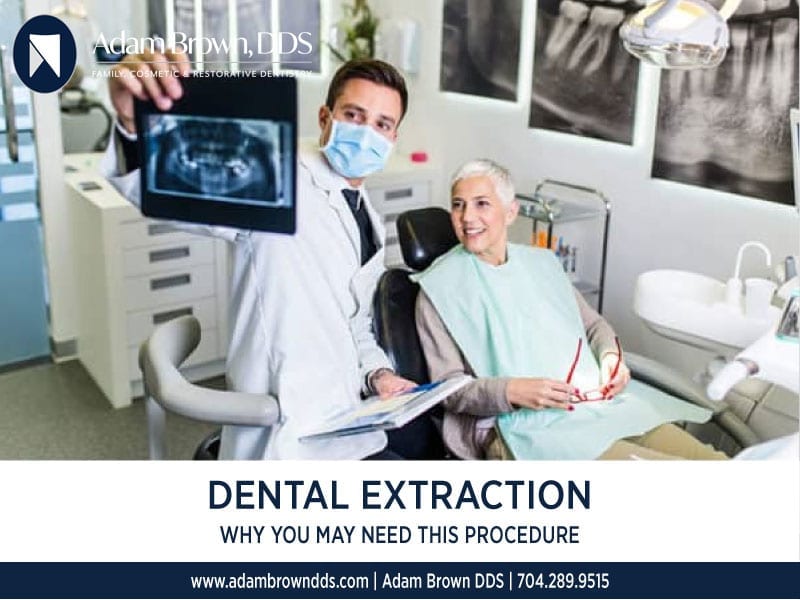
Your dentist will perform x-rays and thorough examinations before this stage and will explain the procedure and any other possible options. Often, with impacted teeth, there are no symptoms and only an x-ray will discover it.

Another reason teeth are extracted, especially in youth and young adults, is to make room in the mouth before planning to straighten remaining teeth. Teeth may also be extracted if they are so poorly positioned that they cannot possibly be straightened. A less common reason to extract a tooth is as a cheaper alternative to filling or placing a crown on a decayed tooth.

If you or your child has a condition where a tooth extraction might be called for, please call Carolina’s Dental Choice at (704) 289-9519 to schedule an appointment.

The number of Americans missing at least one tooth is more than 120 million, so it’s not at all unusual to be missing one or more teeth for a variety of reasons, including those listed above.

What’s the deal with Wisdom Teeth?

One of the most common procedures is the removal of the “wisdom teeth.” What is this procedure and why do these teeth often need to be removed and what are the benefits? According to www.mayoclinic.org:

Wisdom tooth extraction is a surgical procedure to remove one or more wisdom teeth — the four permanent adult teeth located at the back corners of your mouth on the top and bottom.

If a wisdom tooth doesn’t have room to grow (impacted wisdom tooth), resulting in pain, infection, or other dental problems, you’ll likely need to have it pulled. Wisdom tooth extraction may be done by a dentist or an oral surgeon.

For many, the first use of dental anesthesia is during extraction of wisdom teeth (the four hindmost molars that come in during young adulthood), which can cause issues including moving other teeth around.

To prevent potential future problems, some dentists and oral surgeons recommend wisdom tooth extraction even if impacted teeth aren’t currently causing problems.

Wisdom teeth, or third molars, are the last permanent teeth to appear (erupt) in the mouth. These teeth usually appear between the ages of 17 and 25. Some people never develop wisdom teeth. For others, wisdom teeth erupt normally — just as their other molars did — and cause no problems.

Many people develop impacted wisdom teeth — teeth that don’t have enough room to erupt into the mouth or develop normally. Impacted wisdom teeth may erupt only partially or not at all.

An impacted wisdom tooth may:

  • Grow at an angle toward the next tooth (second molar)
  • Grow at an angle toward the back of the mouth
  • Grow at a right angle to the other teeth, as if the wisdom tooth is “lying down” within the jawbone
  • Grow straight up or down like other teeth but stay trapped within the jawbone

Problems with impacted wisdom teeth. You’ll likely need your impacted wisdom tooth pulled if it results in problems such as:

  • Pain
  • Trapping food and debris behind the wisdom tooth
  • Infection or gum disease (periodontal disease)
  • Tooth decay in a partially erupted wisdom tooth
  • Damage to a nearby tooth or surrounding bone
  • Development of a fluid-filled sac (cyst)

Preventing future dental problems. Dental specialists disagree about the value of extracting impacted wisdom teeth that aren’t causing problems (asymptomatic), because it is difficult to predict future problems with impacted wisdom teeth. However, here’s the rationale for preventive extraction:

  • Symptom-free wisdom teeth could still harbor disease.
  • If there isn’t enough space for the tooth to erupt, it’s often hard to get to it and clean it properly.
  • Serious complications with wisdom teeth happen less often in younger adults.
  • Older adults may experience difficulty with surgery and complications after surgery.

What to expect after a Dental Extraction

Immediately after an extraction, be sure to follow your dentist’s instructions. You may receive a prescription for a mild pain killer or antibiotic, but in most cases, over-the-counter medications will manage pain. Do not eat solid foods or smoke for 48 hours. Stick with soft foods like yogurt, soups, mashed potatoes, and smoothies (avoided fruit seeds). The soft tissue takes about 3-4 weeks to heal.

Keep an eye out for any signs of acute bleeding, pain, or swelling. This could indicate an infection.

Beware of Dry Socket

Dry socket (alveolar osteitis) is a painful dental condition that sometimes happens after you have a permanent adult tooth extracted. Dry socket is when the blood clot at the site of the tooth extraction fails to develop, or it dislodges or dissolves before the wound has healed.

Normally, a blood clot forms at the site of a tooth extraction. This blood clot serves as a protective layer over the underlying bone and nerve endings in the empty tooth socket. The clot also provides the foundation for the growth of new bone and for the development of soft tissue over the clot.

Exposure of the underlying bone and nerves results in intense pain, not only in the socket but also along the nerves radiating to the side of your face. The socket becomes inflamed and may fill with food debris, adding to the pain. If you develop dry socket, the pain usually begins one to three days after your tooth is removed.

Dry socket is the most common complication following tooth extractions, such as the removal of third molars (wisdom teeth). Over-the-counter medications alone won’t be enough to treat dry socket pain. Your dentist or oral surgeon can offer treatments to relieve your pain.

Signs and symptoms of dry socket may include:

  • Severe pain within a few days after a tooth extraction
  • Partial or total loss of the blood clot at the tooth extraction site, which you may notice as an empty-looking (dry) socket
  • Visible bone in the socket
  • Pain that radiates from the socket to your ear, eye, temple, or neck on the same side of your face as the extraction
  • Bad breath
  • Unpleasant taste in your mouth

When to see a doctor. A certain degree of pain and discomfort is normal after a tooth extraction. However, you should be able to manage normal pain with the pain reliever prescribed by your dentist or oral surgeon, and the pain should lessen with time.

If you develop new or worsening pain in the days after your tooth extraction, contact your dentist or oral surgeon immediately.

Expected Costs

The cost of a dental extraction can vary depending on your dentist’s fees and the scope of work. In some instances, extractions (such as wisdom teeth that are impacted) may need to be handled by a dental surgeon under anesthesia.

According to Member Benefits, who tracks the cost of dental work throughout the country, the cost of dental extraction (per tooth) can range from $75-$300 for a non-surgical extraction, and upwards of $650 for a single surgical extraction.  Additional costs could include x-rays and exam fees.

If you have dental insurance, it will take a bite (no pun intended) out of your bill. Depending on your policy, it may cover up to 50% of the cost. At Carolina’s Dental Choice, we work with a variety of Dental Insurers, as well as, Medicaid. Our staff will help you understand the costs involved and file the insurance paperwork for you. If you don’t have insurance, we offer an In-House Dental Savings Plan that allows patients to receive treatment at a discounted price.

Carolina’s Dental Choice also welcomes new patients. Whether you have just moved to the Monroe/Charlotte area, are transferring your care from another practice, need to establish care with a dentist, or find yourself suddenly in need of dental service, we look forward to partnering with you for the benefit of your oral health.

As we’ve explored, the reasons for a dental extraction are varied. There is no need to be in pain or discomfort, or even embarrassment, if you feel you need help with dental issues. Our staff is ready to help you find solutions for your dental needs.

Comments Off on Tooth Extraction Explained at Carolina’s Dental Choice

Advancements in Dentistry Make for Happier Patients

2020-07-16T16:57:33+00:00February 14th, 2019|Dental Trends, Implants, Oral Health|

Better Dentistry is Here and More Advancements are on the Way!

Ah, remember the eighties? Shoulder pads, big hair, and bigger braces! Times and trends have changed, both in fashion and in dentistry.

Gone are the days of walking into an awkward waiting room with uncomfortable chairs and stacks of decade-old magazines, the sounds of drilling in the background. At Carolina’s Dental Choice, our waiting rooms are comfortable with music, televisions, and a welcoming face behind the desk there to help you.

Scheduling options have improved a lot! With more offices offering expanded hours and online appointment scheduling, finding the perfect time to visit the dentist is easy. Reminders can be emailed—you can even have a text message, if you prefer—helping you keep your busy day on track.

One of the biggest advancements is dentistry today isn’t techy or scientific at all. Dentists today discuss procedures to you as they go along, openly explaining treatment options. A visit to the dentist has become less rigid and uncomfortable. Plus, they use hi-tech equipment that is cool and more precise—and less scary!

Specific ways visiting the dentist has changed over the years:

  • Hygiene and safety are incredibly important. These days you will see clean and sanitized and newly opened equipment in use. Staff wear gloves and masks for your protection and, as mentioned earlier, there is more communication—a better relationship between staff and patient. It is more evident now than every before that your dentist and dental team are there to help you. You will notice that the dentist or hygienist is telling you what they are doing as they go along. Taking away some of the fear of years gone by when you just laid in the chair and hoped for the best! For your benefit, be clear about any discomfort or issues you have been having prior to your examination. We want you to be completely comfortable!
  • Dental insurance. Decades ago, many people did not have the option of obtaining dental insurance through their employer or on their own. With multiple options available now, the staff at the dentist is able to discuss what your procedure will cost in advance when ever possible so you will not be caught unaware. Many dentists will work with you if you don’t have insurance. Another popular option that did not used to exist is buying a dental care package directly through your dentist. This annual plan will include cleanings, X-rays and discounted procedures.
  • Extended office hours are becoming more common at dentists around the country. Knowing that many people have day jobs and limited flexibility, Carolina’s Dental Choice opens at 8 a.m. Monday-Wednesday (7 a.m. Thursday-Friday) so you can arrive at work with a smile! In many communities, there are emergency dental offices open in the evenings and weekends for those issues that just cannot wait.
  • Advancements in X-rays. There are big changes in this arena. The first use of X-rays in dentistry of a living person in the United States took place in 1896. Advances in dentistry and the availability of the equipment grew and X-rays became part of the normal dental routine in the 1950s. 3-D imaging has become more popular as machines have become more advanced and more available in the medical community. Popular for ultrasounds, mammograms, and other uses, they are helping doctors and dentists better diagnose health issues, while making it easier on the patient. This is truly technology changing lives.
  • A cavity’s best friend. Fillings used to appear silver and were in fact made of a combination of metals including: tin, zinc, copper and silver. White fillings (a composite material) started becoming popular in the 1980s, and both the silver amalgam and white fillings are still used in dental practices today. So, what’s new? We now know that fillings, while strong, don’t last forever and advancements in X-rays and exam techniques will help discover issues much sooner.

A brighter smile is now possible!

According to the ADA (American Dental Association), about 1990 was a turning point with new tooth-colored restorative materials, plus increased usage of bleaching, veneers, and implants inaugurate an era of esthetic dentistry.

Whitening of teeth was very rare until recent years, as it seemed like only movie stars and models had truly pearly whites. Today you can choose from whitening options including bleaching and whitening trays, just to name a few.

Restorative dentistry has seen great advancements in the last twenty years. In the past, if you had a tooth removed, you learned to live with that gap in your mouth. Missing teeth can be unattractive and negatively affect your eating habits, because missing teeth also make the remaining teeth work harder.  At Carolina’s Dental Choice, we provide restorative, or prosthodontic. This process involves repairing or replacing bad teeth in order to restore the mouth. This can involve multiple procedures, including using fillings, crowns, veneers, bridges, dental implants, and partial dentures. The main goal of restorative dentistry is to preserve the natural teeth as much as possible and to give you the smile that you deserve. The use of dental implants, partial dentures and other restorative tools, is important if teeth are to be removed.

Braces used to be the first thing you noticed if someone had them and some kids just wanted to avoid having them altogether, with those sharp wires and clunky metal brackets. Traditional braces caused sores, were tricky to keep clean, and restricted enjoying many favorite snacks. Having straighter teeth is beneficial for appearance, but also for the health of your teeth. A popular option for youth and adults today is Invisalign Braces. This modern approach is less invasive and much more attractive.

New ideas in dentistry:

  • Pediatric dentistry. Specialty dentists for kids began popping up around 15 years ago. Because dentists can be intimidating for kids, these new specialty pediatric practices feature graphics, games, and friendly and familiar themes making kids feel engaged and safe. In general, they’ve had additional and specialized training in pediatric dentistry and can work with babies through teens more effectively than ever.
  • No gain from pain. Back in the day, people only went to the dentist when they were in pain. Because of this, the opportunity to prevent issues was often lost and going to the dentist became associated with pain and, for some, trauma. Getting into the habit of twice-yearly check-ups with cleanings will allow the dentist to look for problems in advance of you having to have a dental emergency. Dentistry has become incredibly preventative. X-rays, oral exams, and cleanings all help detect current and potential future problems. Most dental insurance plans cover much, if not all, of this cost and offer discounts on any additional procedures required.
  • Gum disease used to be something patients had to live with. Gum disease is generally not curable, but it is treatable and more importantly, preventable. Prevent gum disease by seeing your dentist on a regular basis—at least twice a year. Early stages can be treated with a dental hygiene therapy called scaling and root planning. While it might sound scary or like an outdoor adventure, the treatment is actually a deep cleaning measure that helps fight back against gum disease. This is a nonsurgical procedure to treat your teeth and gums against plaque, bacteria, and tartar deposits.
  • Beyond the teeth. Checking for oral cancer is another recent addition to a routine dental check-up. Your dentist can examine your oral tissues easily by looking at your lips and inside your mouth, as well as, check your gingivae (gums) carefully, the inside of your cheeks and your tongue (the sides and underneath). The more preventative we are today, the brighter your future!
  • More options than ever. Some still have a slight fear of going to the dentist and the potential pain of dental treatments. In the past, they had little options and would avoid getting needed dental work and even check-ups. But today there is I.V. sedation. Intravenous (I.V.) sedation has become more common and works well for those with fear of the dentist and dental procedures. It is also ideal for patients whose fear of dentistry has led to a large amount of dental work needing to be completed. V. Sedation is also used for outpatient procedures, like colonoscopies. Referred to as “twilight sleep,” you will wake with little or no memory of the procedure. Anesthesia is given via the I.V. and recovery requires someone take you to/from the procedure.

Healthy at home, advancements and options:

Advances in types of toothbrushes have made cleaning your teeth much more thorough and, dare we say, even fun! Gone is the “one size fits all” toothbrush of 20-30 years ago. Now there are multiple sizes and types of bristles, easy to grip handles, and electronic versions on the market in all price ranges.

Flossing is an important thing to do at least daily (after every meal is ideal) to remove plaque and excess food particles. Many types of floss are on the market now (vs. one type fits all 20 or so years ago). Flavored floss, flosser sticks (or picks), waxed and unwaxed string floss, dental tape, electric flossers and natural floss are all options available.

Water picks (the most commonly known one being manufactured by Waterpik) are water flossers that are handy for reaching those hard to get to teeth in the back.  These come in a variety of price points and models, from table top to hand held.

With all dental tools, check with your dentist about the best fit for you and their recommendations.

The more we know, the better your health:

Poor oral health has been debated as a possible cause of heart disease for years. In 2012, experts from the American Heart Association reviewed the available scientific evidence and concluded that poor oral health hasn’t been proved to cause heart disease — and that treating existing gum disease hasn’t been proved to reduce the risk of heart disease. Still, studies have shown:

  • Gum disease (periodontitis) is associated with an increased risk of developing heart disease.
  • Poor dental health increases the risk of a bacterial infection in the blood stream, which can affect the heart valves.
  • Tooth loss patterns are connected to coronary artery disease.
  • There is a strong connection between diabetes and cardiovascular disease and evidence that people with diabetes benefit from periodontal treatment.

Even though oral health isn’t a key to heart disease prevention, it’s important to take care of your teeth and gums:

  • Brush your teeth at least twice a day.
  • Floss daily.
  • Schedule regular dental checkups and cleanings.
  • Protect yourself by learning more about the connection between your oral health and overall health. Remember, be preventative!

The connection between oral health and overall health:

  • Like many areas of the body, your mouth is teeming with bacteria, most of them harmless. Normally the body’s natural defenses and good oral health care, such as daily brushing and flossing, can keep these bacteria under control. However, without proper oral hygiene, bacteria can reach levels that might lead to oral infections, such as tooth decay and gum disease.
  • Certain medications — such as decongestants, antihistamines, painkillers, diuretics, and antidepressants — can reduce saliva flow. Saliva washes away food and neutralizes acids produced by bacteria in the mouth, helping to protect you from microbial invasion or overgrowth that might lead to disease.
  • Studies also suggest that oral bacteria and the inflammation associated with periodontitis, a severe form of gum disease, might play a role in some diseases.

So even if you still have big hair, shoulder pads, or drive your DeLorean to the office, the team here at Carolina’s Dental Choice is ready to treat your dental health needs, whatever they may be. Let us help you take preventative measures to keep your smile bright and glowing into the future.


*Mayo Clinic

Comments Off on Advancements in Dentistry Make for Happier Patients

Warning: Teething Jewelry May Pose Significant Risk

2020-07-16T16:58:35+00:00December 27th, 2018|Children's Dental Health, Dental Trends, Oral Health|

You may have seen it advertised in women’s magazines or on parenting blogs, cute jewelry marketed as a way for moms to look stylish while caring for a teething tot. But the U.S. Food and Drug Administration is warning that the jewelry may present a serious choking hazard or strangulation risk.

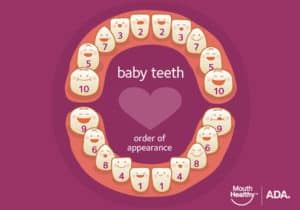
what age and order do baby teeth come in

“Teething jewelry includes necklaces, bracelets, and other jewelry that can be worn by either an adult or child, and is often marketed to relieve an infant’s teething pain,” states the FDA’s safety warning. “The beads of the jewelry may be made with various materials such as amber, wood, marble, or silicone. Jewelry marketed for teething pain is not the same as teething rings or teethers, which are made of hard plastic or rubber, and are not worn by an adult or child.”

The American Dental Association has joined the FDA in cautioning parents and caregivers that the jewelry has not been proven safe or effective. The FDA received a report of a 7-month-old child who choked on the beats of a wooden teething bracelet while under parental supervision. An 18-month-old child strangled to death when his amber teething necklace became wrapped around his neck during a nap.

“Teething jewelry may also be used by people with special needs, such as autism or attention-deficit/hyperactivity disorder (ADHD), to provide sensory stimulation or redirect chewing on clothes or body parts,” the FDA safety warning also states.

The jewelry poses similar risks of choking, strangulation, injury to the mouth, and infection for these people.

Instead of using teething jewelry to treat teething pain, parents and caregivers should adhere to the American Academy of Pediatrics’ recommendations. Teething typically begins between ages 4 to 7 months and may cause mild irritability, crying, a low-grade fever, excessive drooling, and a tendency to chew on things.

  • Try gently rubbing or massaging the gums with one of your fingers, a small cool spoon, or a moist gauze pad
  • Teething rings are helpful, too, but they should be made of firm rubber. Teethers that are to be frozen tend to get too hard and can cause more harm than good. Never allow an infant to use a teether that is frozen solid. Either simply chill them in the refrigerator or allow them to thaw to the point you can easily squeeze the contents around. Be warned that liquid-filled rings or other objects may crack and leak.
  • Pain relievers and topical medications applied to the gums are not necessary or useful since they wash out of a baby’s mouth within minutes.
  • Stay away from teething tablets that contain the plant poison belladonna and gels with benzocaine. Belladonna and benzocaine are marketed to numb your child’s pain, but the FDA has issued warnings against both due to potential side effects.
  • If your child seems particularly miserable or has a fever higher than 101 degrees Fahrenheit (38.3 degrees Celsius), it’s most likely not a result of teething pain. Consult your pediatrician.
  • When your child’s baby teeth have begun to come in, gently brush them with a soft child’s toothbrush. To prevent cavities, never let your baby fall asleep with a bottle, either at nap time or at night. By avoiding this situation, you’ll keep milk from pooling around the teeth and creating a breeding ground for decay.

Baby teeth are important to your child’s health because they form the foundation for chewing, speaking, and smiling. If a baby tooth is lost too early, permanent teeth can drift into the empty space, making it harder for other adult teeth to erupt. This process contributes to crooked and crowded teeth in later years.

Your child’s first dental visit should come after their first baby tooth has emerged but before their first birthday.


If you have questions about your child’s oral health, contact Carolina’s Dental Choice so that we can help you address any concerns. Visit us at carolinasdentalchoice.com to schedule an appointment or call us at 704.289.9519.


Comments Off on Warning: Teething Jewelry May Pose Significant Risk
Go to Top