
Why Dental Implants May Be the Right Choice for Your Oral Health

2020-07-16T16:59:46+00:00June 28th, 2018|Dental Bonding, Dental Crowns, Dental Implants, Dental Trends, Dentures, Fixed Bridges, Implants, Teeth Whitening, Veneers|

Carolina’s Dental Choice is committed to the philosophy of restorative dentistry, which is reproducing or repairing teeth and adjoining bones and tissue, through the use of metal and ceramic materials. Though dental implants have been around, in some form, for more than 40 years, it’s surprising how many people today don’t know the procedure is an option to replace a missing tooth or even multiple teeth. Implants are the closest in comparison to natural teeth. They are just as secure, long lasting, and easy to manage.


DENTAL IMPLANTS AND HOW THEY WORK

An implant is a titanium “root” which is placed into the jawbone in order to support a crown, bridge or denture. Ceramic crowns, onlays or veneers address the appearance of the “new tooth.” Over time, the human body completes the process, by growing bone and tissue around the tooth. This provides the artificial implanted tooth with even more stability and permanence.

Treatment generally is a three-part process that takes several months, according to the American Dental Association:

Step 1) The dentist surgically places the implant in the jaw, with the top of the implant slightly above the top of the bone. A screw is inserted into the implant to prevent gum tissue and other debris from entering. The gum then is secured over the implant. The implant will remain covered for approximately three to six months while it fuses with the bone, a process called “osseointegration.” There may be some swelling, tenderness or both for a few days after the surgery, so pain medication usually is prescribed to alleviate the discomfort. A diet of soft foods, cold foods and warm soup often is recommended during the healing process.

Step 2) The implant is uncovered and the dentist attaches an extension, called a post, to the implant. The gum tissue is allowed to heal around the post. Some implants require a second surgical procedure in which a post is attached to connect the replacement teeth. With other implants, the implant and post are a single unit placed in the mouth during the initial surgery. Once healed, the implant and post can serve as the foundation for the new tooth.

Step 3) The dentist makes a crown, which has a size, shape, color and fit that will blend with your other teeth. Once completed, the crown is attached to the implant post.


TOP ORAL CARE TIPS FOR DENTAL IMPLANTS

Dental implants can be an option at just about any age, as long a patient has healthy gums and adequate bone to support the implant and is committed to maintaining basic oral care. Implants do not require any further care than one would provide for natural teeth, such as rinsing, flossing, and brushing a few times a day.

“Dental implants are very successful and long lasting but as with any surgical procedure, there might be complications,” writes Dr. Anveeta Agarwal, a consultant oral pathologist. “The best way to avoid dental implant failure is to make sure you practice good dental hygiene and visit your dentist regularly for dental check-ups and cleanings.”

Dental implant care tips include:

Practice good oral hygiene – brush twice a day and floss once daily. Using interdental brushes, brushes that slide between teeth, can help clean the hard to reach areas around your implant.

  • Quit smoking – smoking can weaken the bone structure and can contribute to implant failure.
  • Visit your dentist – cleanings and exams every six months can help ensure your implant is in good condition, and that it stays that way.
  • Avoid chewing on hard foods – don’t chew on hard items such as ice and hard candy because they can break the crown and your natural teeth.

The American Dental Association considers two types of implants to be safe. They are:

Endosteal implants — these are surgically implanted directly into the jawbone. Once the surrounding gum tissue has healed, a second surgery is needed to connect a post to the original implant. Finally, an artificial tooth (or teeth) is attached to the post-individually, or grouped on a bridge or denture.

Subperiosteal implants — these consist of a metal frame that is fitted onto the jawbone just below the gum tissue. As the gums heal, the frame becomes fixed to the jawbone. Posts, which are attached to the frame, protrude through the gums. As with endosteal implants, artificial teeth are then mounted to the posts.

Though some patients may be reluctant to undergo dental surgery — as well as the idea of having titanium pieces implanted to the jaw — dental implants offer a viable tooth replacement option when other attempts have failed. Patients may have tried bridges or dentures and been unhappy with the results, but dental implants are a healthy alternative.

“For some people, ordinary bridges and dentures are simply not comfortable or even possible, due to sore spots, poor ridges or gagging,” states Colgate. “In addition, ordinary bridges must be attached to teeth on either side of the space left by the missing tooth. An advantage of implants is that no adjacent teeth need to be prepared or ground down to hold your new replacement tooth/teeth in place.”

Additionally, implants serve a cosmetic function. Missing teeth may impact a person’s ability to get a job. 
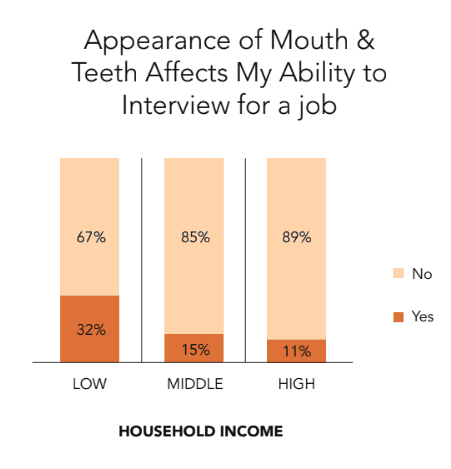
How Dental Implants Can Improve Your Ability to Get a Job

“Poor oral health can significantly diminish quality of life in a number of ways – the most obvious being a person’s ability to eat, sleep and speak,” according to a 2016 report from the North Carolina Oral Health Collaborative. “However, there are also social and economic consequences that can impact a person’s job readiness and performance, and ultimately the economic stability of communities. A survey of North Carolina adults revealed that the impact of oral health on job readiness is greatest among those from low-income households.”


DENTAL IMPLANTS AND COST

Because dental implants can be used for one or more teeth, and the replacement teeth can vary in size and complexity, assigning a cost-point for the procedure can be challenging. At Carolina’s Dental Choice we usually see prices fluctuating anywhere from the $1,000 to the $3,000 range. Before making any final decisions on payment though, it is a good idea for a potential patient to consult with a dental practice and insurance company in order to clarify how much of the cost may be covered. 

At Carolina’s Dental Choice we provide information about payment, including insurance, Medicaid, and our in-house saving program online, and we are happy to discuss this information with you in person or over the phone.


OTHER OPTIONS TO DENTAL IMPLANTS

In addition to dental implants, Carolina’s Dental Choice offers traditional dentures, bridges, partials, which replace teeth. Cosmetic options we offer include teeth whitening and veneers, which are porcelain and permanently bonded to your natural teeth. They can enhance tooth shape, color, length and size. Dental bonding repairs teeth with a tooth-colored resin (stable plastic material) that enhances your smile and can be done in one quick and easy visit.


CAROLINA’S DENTAL CHOICE IS HERE FOR YOU

It is our practice to have private consultations with our patients to discuss your teeth, your options, and your treatment. Our dental practice embodies family dentistry by treating our patients like family and working with you to make you smile!

You may find information including new patient forms on our website. Contact us today at 704.239.9519 to schedule your appointment!

Comments Off on Why Dental Implants May Be the Right Choice for Your Oral Health

Where Did The Tooth Fairy Come From?

2020-07-16T17:01:03+00:00March 31st, 2018|Dental Trends, General|

Do you remember the excitement of losing your baby teeth as a kid? Maybe even sticking your tooth under your pillow for the Tooth Fairy and waking up to a fun surprise. The Tooth Fairy makes losing teeth so much more exciting and helps children overcome any fears they have when teeth start falling out of their mouth. But where did this tradition come from? Carolina’s Dental Choice wants to share the story of the Tooth Fairy with you.

Each magical figure, like Santa Clause, the Sandman, and the Easter Bunny, has a story and reason that we love them. These stories are all interesting and are so different in many widespread cultures. Everyone’s traditions are all unique and the way people celebrate them make it fun and create charitable moments.

Where does the tradition of the Tooth Fairy come from?

The Tooth Fairy is an old, ancient, mythical figure from western folklore. The tradition began in Northern Europe by the Old Norse. They would reward children for the first tooth they lost. The tradition formed to help children escape the fear of losing teeth and replace the feelings with excitement. The myth goes as follows: children would lose their tooth and tuck it under their pillow at night. Once the child was fast asleep, the Tooth Fairy would fly in, collect the tooth, and in exchange leave the child a small gift or money. This tradition goes back to as early as the beginning of the 20th century.

Before the Tooth Fairy tradition, people did not celebrate teeth in quite the same way. Some actually feared teeth or thought that teeth could bring hardships or even cures. In the Middle Ages, people thought that teeth would bring bad experiences in the afterlife and that they would be searched for after death. To save children from future hardships, they would burn the teeth. Others burned their teeth out of fear that witches would find them and with the tooth, they could control them.

The Tooth Fairy myth came about to distract the fear of losing teeth. Children can be scared when it comes to teeth falling out. They may think that it will hurt or have fears that they won’t be able to eat or speak normally. Many are afraid that their tooth will never come back and that all of their teeth will just fall out. The Tooth Fairy tradition helps alleviate the fear of losing teeth and replaces it with a fun and exciting tradition that leaves children waiting for the fairy.


What does the Tooth Fairy leave in place of the tooth?

Twenty years ago, the tooth fairy may have left a quarter under the pillow but as with everything, teeth are subject to inflation. On average children receive between one and five dollars per tooth. Sometimes children receive different amounts based on which tooth is lost. Generally, the first tooth children lose is valued far more by the tooth fairy and children may receive a higher amount as a reward. Many warn against giving too much for a tooth, as it could cause problem amongst the child and their friends. Children love to share their encounters with magical figures. Who wouldn’t? But when the stories don’t add up, some might get angry or feel left out. This fun and exciting myth should stay fun instead of having children compare whose tooth was worth more.


When does the Tooth Fairy stop coming?

The Tooth Fairy stops visiting a child when they have lost all of their baby teeth or when they stop believing in the magic. Children begin loosing baby teeth between the age of four and eight. This process continues until a child is around nine to twelve years old. Many children will place every tooth under their pillow: some still believing and others just enjoying the fun in the magic. Others will outgrow the tradition before they have lost all their teeth. If this happens, don’t be discouraged: it is just a part of growing up but they will cherish the memories of the tradition when they are older. Children often stop believing in the magical figures around the same time. So if they have out grown the magic of the Tooth Fairy, be prepared for them to lose interest in the Easter Bunny and Santa Clause soon after as well. When children are around age seven to nine, they are psychologically expanding their mind to begin distinguishing fantasy from reality. They is usually when they begin questioning magical figures. 

Even if the child has figured out the myth, it can still continue in the spirit of fun and tradition. Many children admit that even once they no longer believe, they still enjoy the tradition and find it fun to do with their parents. As long as it’s still enjoyable and you don’t have to lie to keep the children believing, Carolina’s Dental Choice says continue with the fun. Who doesn’t love tracking progress with small rewards along the way? The Tooth Fairy is a great way to keep track of a permanent smile in growth.


Why Carolina’s Dental Choice loves the Tooth Fairy

Here at Carolina’s Dental Choice, we love the Tooth Fairy because it helps promote oral health early on. Children can’t learn about their teeth and the importance of the oral health early enough. Starting good habits and educating children on their teeth early in life will help children carry oral health skills with them as they grow. The Tooth Fairy lightens the introduction to dentistry. For children, visiting the dentist, losing teeth, and keeping up with oral hygiene can be scary, but the Tooth Fairy helps take away from the fear and makes the process of dental growth more exciting, less scary, and fun for children.

To get the most out of the Tooth Fairy while teaching children about oral health, we recommend telling your children that the Tooth Fairy likes healthy and clean teeth. This is a great way to encourage your child to brush their teeth and start building healthy habits. At Carolina’s Dental Choice, we love working with children to help them learn the value of their smile early. Our goal is to help you keep your child’s teeth healthy and will make sure your child leaves our office with a smiling face. Also children are able to earn small prizes for every appointment where they make the No Cavity Club! To make your appointment, call (704) 289-9519.


Comments Off on Where Did The Tooth Fairy Come From?

Do People That Exercise Regularly Have Better Teeth?

2020-07-16T17:23:06+00:00January 30th, 2018|Dental Trends|

Exercising, Teeth, Smile, Dental Office, Dentist, Oral Health, Healthy Teeth, Dental Office Monroe

Carolina’s Dental Choice wants to share how important your physical health is for your oral health. The New Year is here and the resolutions to have a happier and healthier lifestyle for 2018 are back again. Whether your goal is to eat healthier, workout more, run a marathon, or join CrossFit, all of these goals can affect your teeth. Yeah, you probably already knew that healthy eating is good for your teeth but did you know that exercising also plays a role in the condition of your teeth?

A huge oral health concern for many people is gum disease. Gum disease is very common and believe it or not exercising can help to decrease the risk. Gum disease is caused by harmful bacteria in the mouth which cause the gums to swell. People who live an active lifestyle and exercise regularly have been found to have healthier gums and are less likely to have gum disease. This is because exercise lowers inflammation in your body, this includes the gums.

Related: The Trendy New Diet That Is Awesome For Your Smile

Exercise really does play a huge role in your overall health and especially your oral health. Exercise helps improve your digestive system; this helps increase blood flow and helps your body tissue resist infection. This allows the mouth to use the minerals and vitamins found in the food you eat. These help strengthen and protect your teeth and gums. Exercising, eating healthy, and getting lots of sleep are all habits that help you lead a healthier life.

Carolina’s Dental Choice wants to make sure you stay healthy, happy, and have an awesome smile. To keep your bright, shiny smile and to keep your teeth and gums healthy, it is important to exercise. Don’t forget: taking good care of your teeth, keeping up with oral hygiene, and visiting our office regularly for routine exams will help keep your oral health in check. 


Comments Off on Do People That Exercise Regularly Have Better Teeth?
Go to Top