Is Monroe, NC Stressed Out and Losing Sleep? Could Mouth Taping be the Answer
Is Monroe, NC Stressed Out and Losing Sleep? The Rise of Mouth Taping to Improve Sleep and Decrease Stress.
What It Could Mean for Your Dental Health
Is Monroe, NC stressed out? Many residents would probably answer with a resounding “yes.” With the median income of the around $73,000 Monroe, NC residents are feeling the pinch of gas, groceries and other household items. We are a sleepless in Monroe kind of group as of late!
Higher grocery bills, rising insurance costs, increasing utility expenses, and the general pressures of modern life have many people looking for ways to reduce stress and improve sleep quality.
As a result, Monroe, NC residents are searching online for sleep solutions, and one trend that has exploded across TikTok, YouTube, and social media is mouth taping.
Advocates claim it can lead to:
- Better sleep
- Less snoring
- Improved oxygenation
- Better facial structure
- Increased energy
But does it actually work? More importantly, is it safe?
What Is Mouth Taping?
Mouth taping involves placing a specialized adhesive strip over the lips before sleep to encourage breathing through the nose instead of the mouth.
While the practice has been popularized by social media influencers and wellness enthusiasts, sleep specialists caution that there is limited scientific evidence supporting many of the claims made online.
Some people swear by it.
Others warn that it may create serious risks for certain individuals.
Can Mouth Taping Be Dangerous?
According to sleep specialists and organizations such as the American Academy of Sleep Medicine, mouth taping may not be appropriate for everyone.
Medical experts have identified several concerns:
It May Worsen Sleep Apnea
If snoring is caused by obstructive sleep apnea rather than simple mouth breathing, restricting airflow with mouth tape may actually make breathing more difficult.
Nasal Congestion Can Create Problems
Individuals with allergies, sinus issues, chronic congestion, or a deviated septum may struggle to breathe comfortably through their nose alone.
For these individuals, taping the mouth shut may cause discomfort, anxiety, or interrupted sleep.
Scientific Evidence Is Limited
While individual success stories are common online, there are currently no large-scale clinical studies proving that mouth taping is a safe or effective treatment for sleep disorders.
What Does This Have to Do With Dental Health?
While Dr. Adam Brown cannot speak to many of the unproven claims circulating online, there are well-established facts about mouth breathing that directly affect oral health.
When someone regularly breathes through their mouth while sleeping:
- Saliva production decreases
- Oral bacteria can multiply more easily
- Cavity risk increases
- Gum inflammation may worsen
- Bad breath becomes more common
Saliva serves as one of the body’s most important natural defenses against tooth decay. It helps neutralize acids, wash away food particles, and maintain a healthier balance of bacteria in the mouth.
When the mouth becomes dry overnight, that protective system is weakened.
Can Mouth Breathing Affect Children’s Development?
In some cases, yes.
Long-term mouth breathing during childhood has been associated with changes in facial growth and jaw development.
This is one reason dentists, orthodontists, pediatricians, and sleep specialists often pay close attention when children consistently breathe through their mouths.
If Mouth Taping Isn’t the Answer, What Is?
There may be a safer and more effective approach.
Many sleep experts recommend identifying and correcting the underlying cause of mouth breathing rather than simply covering the mouth.
Traditional approaches include:
Improve Nasal Breathing
Nasal saline rinses, allergy treatment, and nasal strips may help improve airflow through the nose.
Practice Proper Tongue Posture
Many experts recommend keeping the tongue resting gently against the roof of the mouth during the day to encourage healthier breathing patterns.
Sleep on Your Side
Sleeping on your side may help reduce snoring and make it easier to maintain comfortable nasal breathing.
Address Sleep Disorders
If chronic snoring, excessive fatigue, or interrupted sleep are present, discussing the issue with a physician or sleep specialist may be worthwhile.
The Most Unpopular Sleep Advice Still Works
Let’s be honest. Most people searching for sleep hacks are hoping for a quick fix. But one of the most effective sleep interventions remains surprisingly simple:
A walk after dinner.
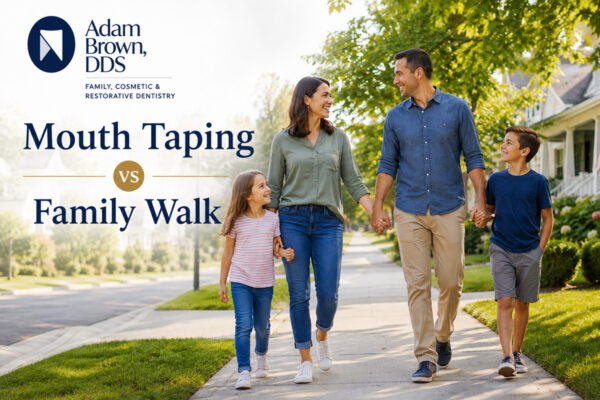
Research suggests that light physical activity after a meal can help regulate the body’s internal clock, support healthy blood sugar levels, reduce stress, and improve sleep quality.
It’s not nearly as exciting as a viral TikTok trend. But unlike many internet hacks, it has decades of scientific evidence behind it.
The Bottom Line
Mouth taping is one of the fastest-growing sleep trends on social media, and many people report positive experiences. However, it is not a one-size-fits-all solution, and for some individuals it may create unnecessary risks.
The bigger takeaway may be this:
If you wake up with dry mouth, suffer from chronic bad breath, experience frequent cavities, or struggle with poor sleep, your breathing habits could be playing a role.
A healthy night’s sleep doesn’t just affect your energy level. It can also affect the health of your teeth, gums, and smile. If you have concerns about dry mouth, mouth breathing, or their impact on your dental health, talk with your dentist during your next visit.